
Making Chairs and Furniture: Woodworking 101
Woodworking is an intricate craft that combines art with technical skill to produce attractive and functional wooden objects, from boxes to shelves to chairs and tables. By understanding some basic tools and techniques and knowing a little about the characteristics of wood, aspiring woodworkers can take up this hobby and perhaps even earn income from their creations.
What is Woodworking?
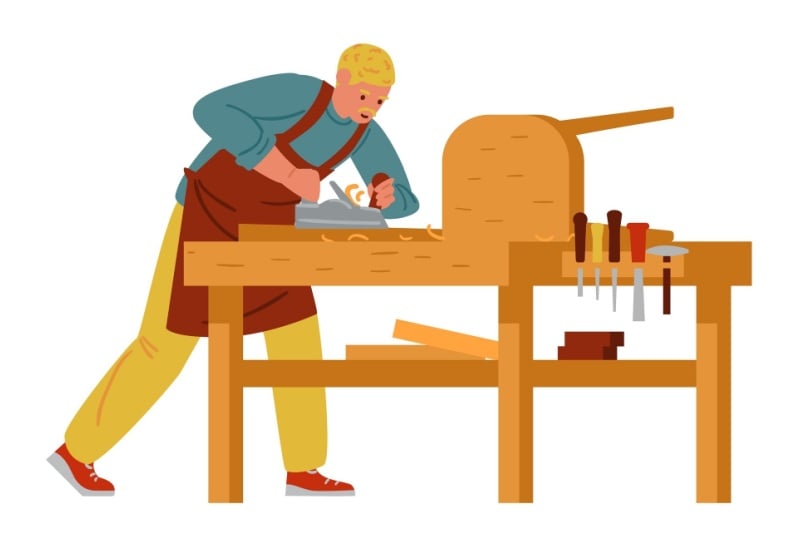
Woodworking is the process of creating functional or decorative objects from wood. This craft encompasses a variety of techniques and skills, including cutting, shaping, joining, and finishing wood to produce items such as furniture, cabinets, and home decor. Woodworking has been practiced for thousands of years and was one of the first crafts developed by early humans. It played a crucial role in the advancement of civilization, as wood was used to create tools, utensils, and entire homes.
Common Woodworking Terminology
Drilling
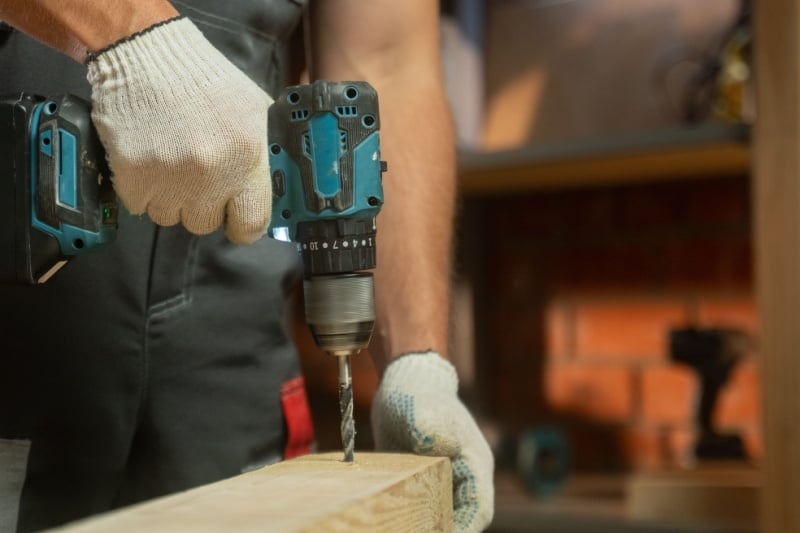
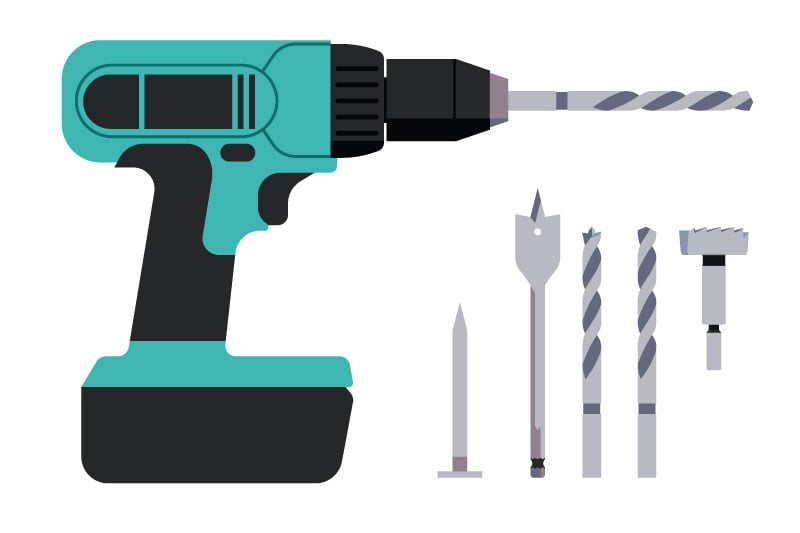
Drilling in woodworking is the process of creating a hole in a piece of wood by using a drill and a drill bit.
Finishing
Finishing in woodwork refers to the process of refining or protecting a wooden surface, particularly in the context of furniture production. This process enhances the aesthetic appeal of the wood and increases its resistance to moisture and other environmental factors.

Jointing
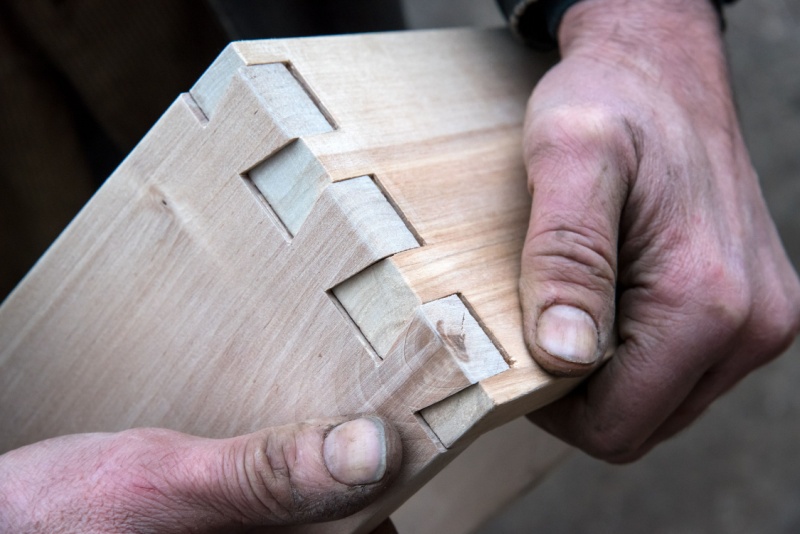
Jointing refers to the process of preparing and connecting two or more pieces of wood together to create a stable and strong structure. This is a fundamental aspect of woodworking, as it allows for the assembly of components into a single piece.
Planing
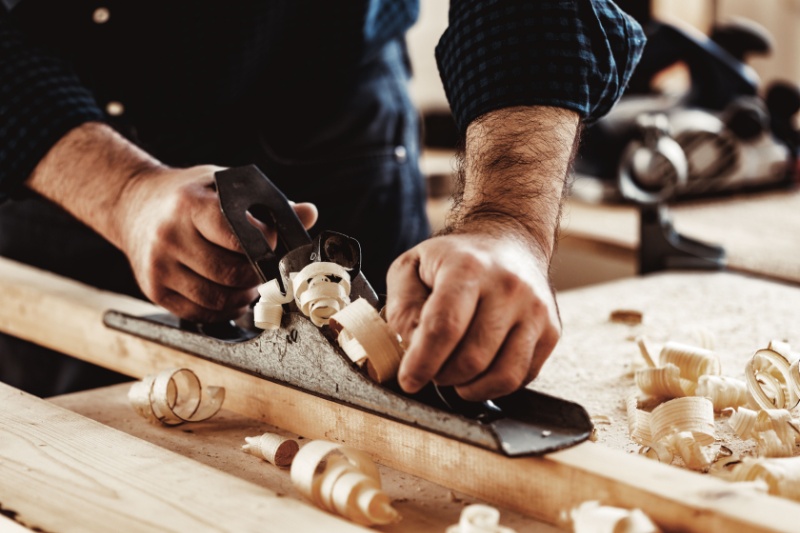
Planing involves the use of a tool, known as a planer, to trim and smooth the surface of wood. The primary goal of planing is to achieve a uniform thickness across the entire board while also creating a smooth, flat surface that is ready for further finishing or assembly.
Routing
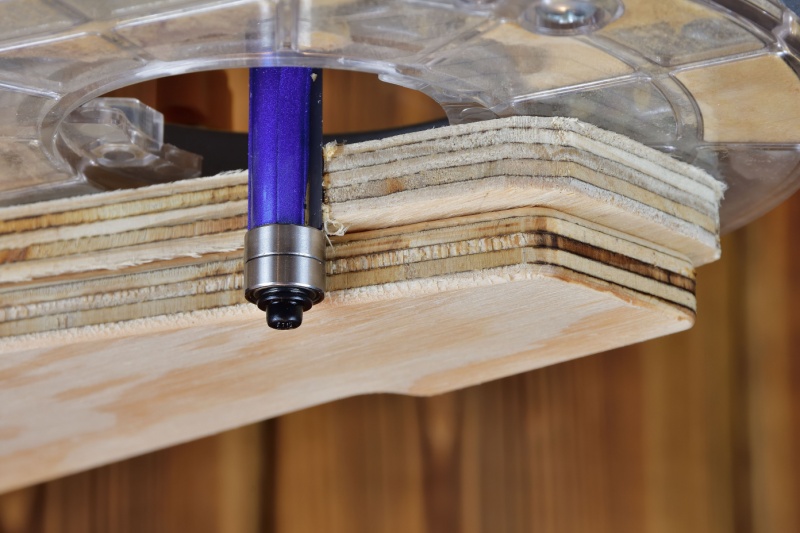
Routing is a woodworking technique that uses a router, a specialized power tool designed to trim and shape the edges of wood.
Sanding
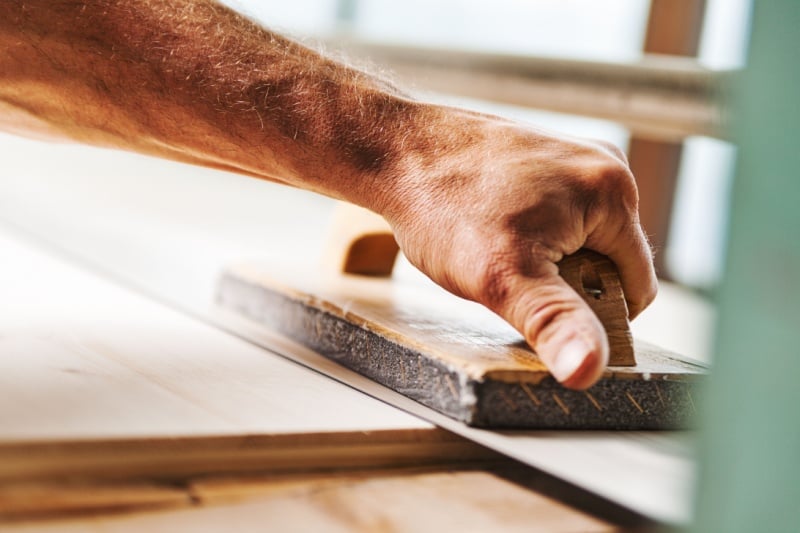
Sanding is a woodworking process that uses an abrasive material to remove small amounts of material from the surface of wood. This action aims to create a smoother finish and prepare the wood for further treatment, such as painting or sealing.
Sawing
Sawing is the process of cutting wood into desired shapes and sizes using a saw.
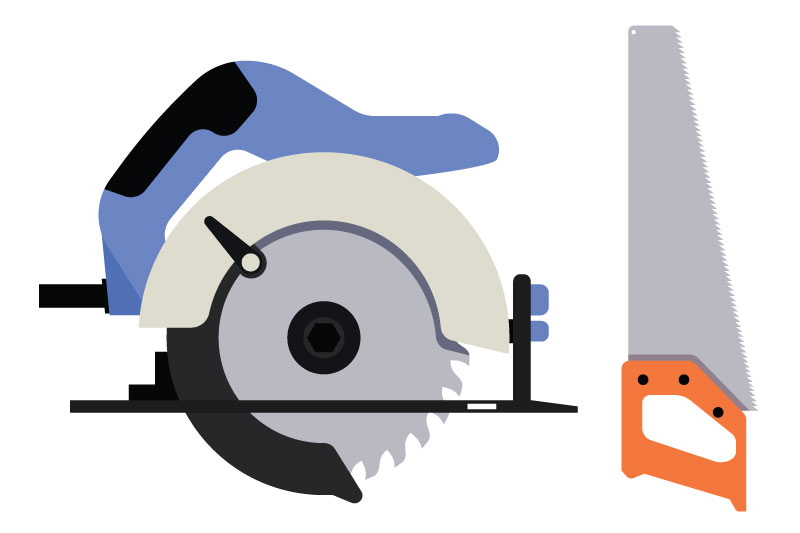
- Handsaws are manual cutting tools that are lightweight and portable, making them easy to handle without the need for a power source.
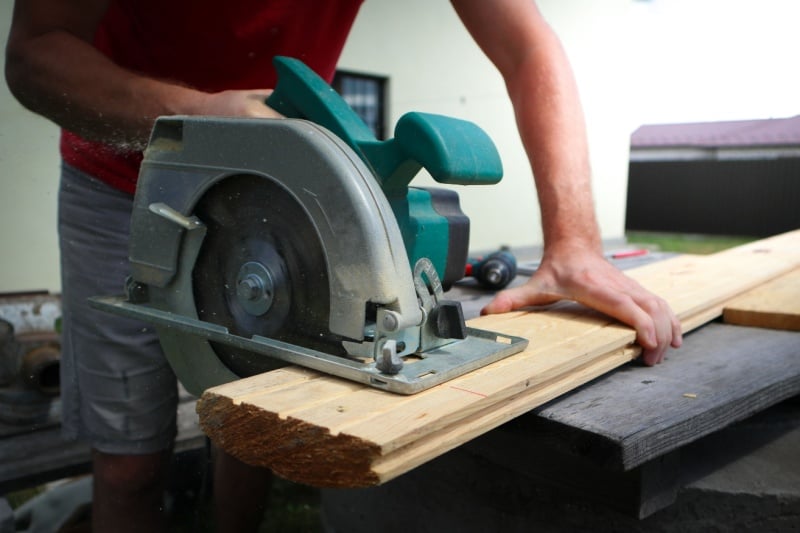
- Circular saws excel at making straight cuts through wood, thanks to their rotating blade that can quickly slice through materials. They are commonly used in construction and woodworking projects.
- Table saws offer versatility, speed, and precision in cutting tasks. The design features a blade that is exposed from below the work surface, allowing the user to pass the material over the table while maintaining control over the cut.
- Chainsaws are powerful portable saws that use a chain with sharp teeth to cut through wood. They can be powered by gasoline, electricity, or batteries.
- Band saws are specialized cutting tools ideal for creating curves, rounded edges, and intricate shapes in materials.
- Jigsaws are electrically powered tools characterized by their back-and-forth or up-and-down cutting motion. The narrow blade allows jigsaws to cut rounded shapes and curves with precision.
Woodworking Tools
Saws
Saws are essential instruments used to cut and shape wood. The primary function of a saw is to create precise cuts in pieces of wood, allowing woodworkers to execute their designs accurately. Most saws are electric, but some are manual hand tools.
Blades
Electric saws can use different types of blades to cut wood. Blades with larger, coarser teeth can be used to cut along the grain, while a blade with smaller teeth will be needed for more precise cuts across the grain of the wood.

Drills
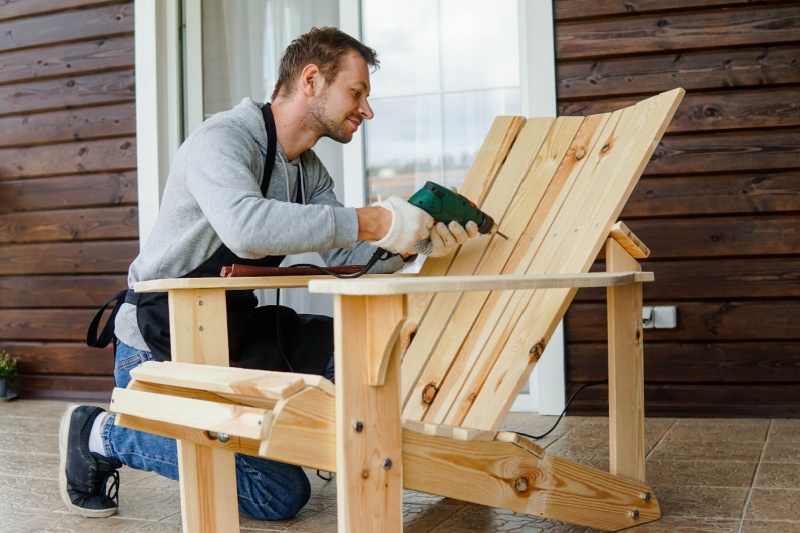
Drills are essential woodworking tools used for creating round holes or driving fasteners into wood. Most people use electric or battery-powered drills, but hand-cranked drills also exist.
Clamps
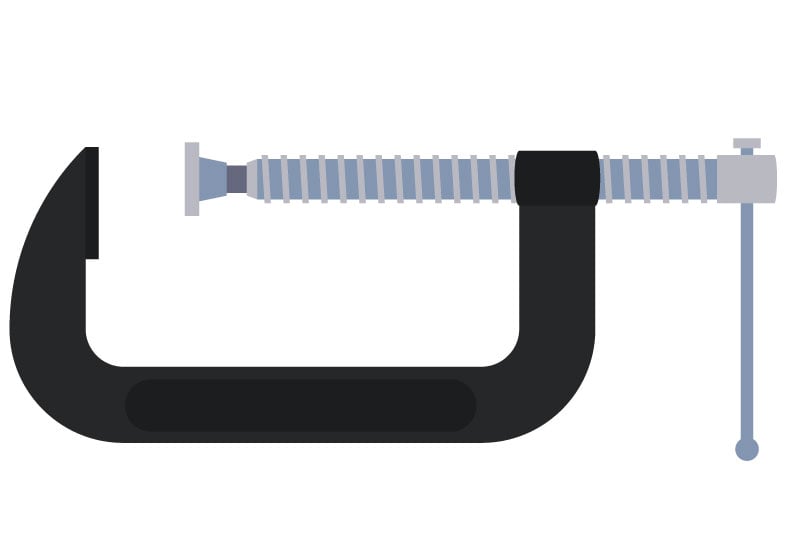
Clamps are fastening devices designed to hold objects in a fixed position. They’re used either to hold a piece still by clamping it to the work surface or to hold together two pieces that are being glued while the glue dries.
Chisels
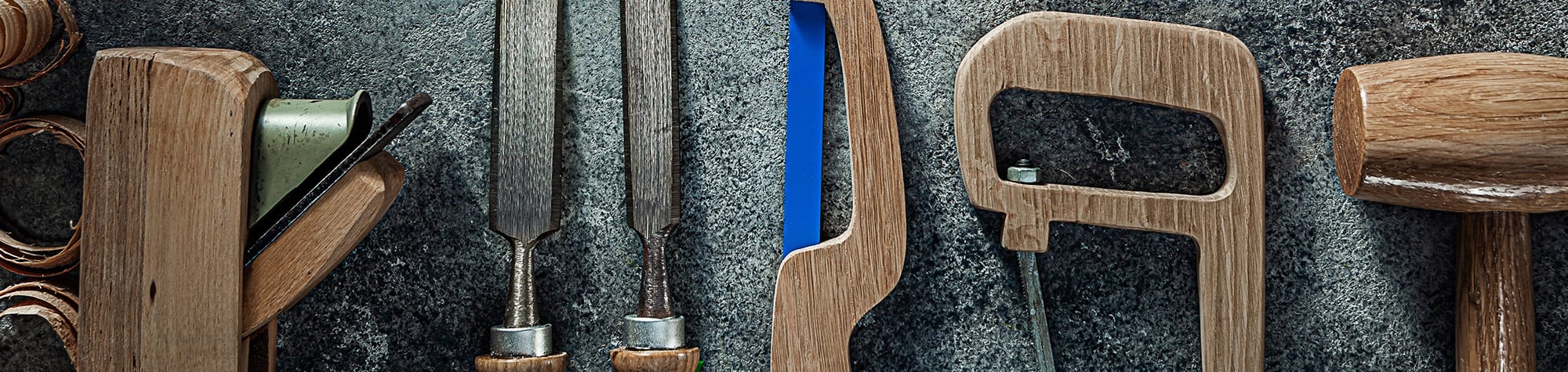
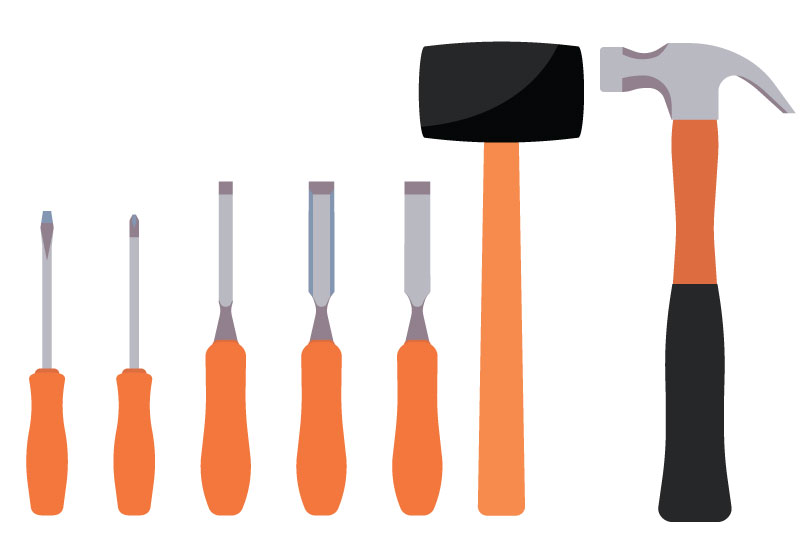
A chisel is a cutting tool that features a thick metal blade with a sharpened edge, designed for carving or cutting wood. The chisel is typically operated by hand and can be struck with a mallet or hammer to apply force.
Planers
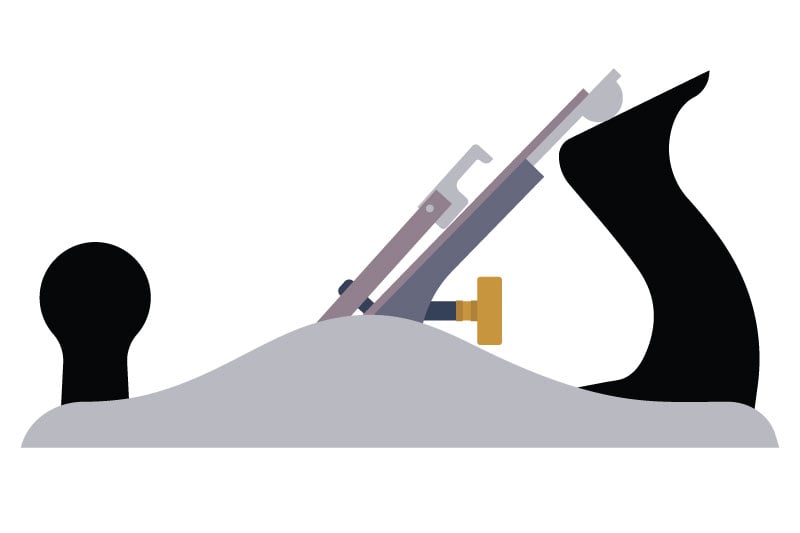
A planer is used to create a smooth, flat surface on wood and make the wood thinner. It works by scraping thin layers of material from the surface of a board.
Sanders
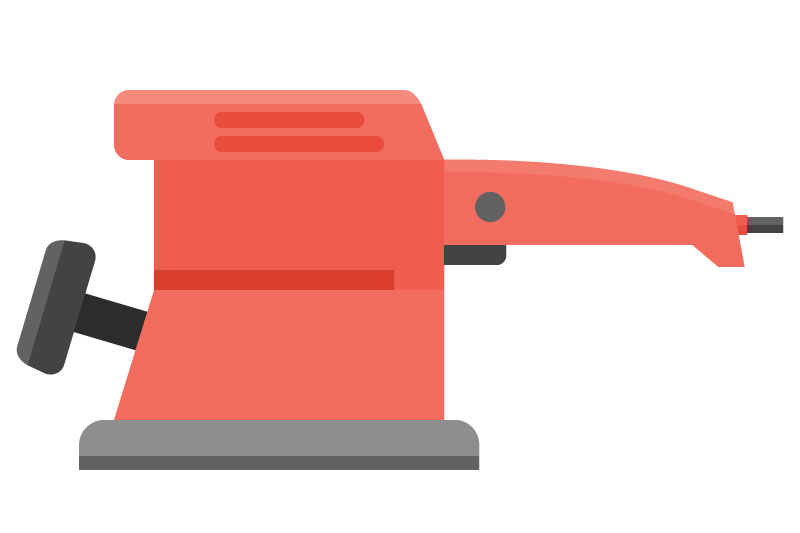
Sanders use sandpaper to make a piece of wood smoother. They can be power tools or hand tools, with the right sander often depending on the size of the surface being sanded.
Woodworking as a Career
Woodworkers can earn a living designing and building items like musical instruments, tables, cabinets, seating, or decorative objects. With time and practice, a hobbyist can become a skilled artisan whose time and talents command a reasonable price.

How to Start Woodworking
Woodworking is simple enough to start learning on your own, using printed guides and online resources. However, if you’ve never picked up a tool in your life, it isn’t a bad idea to sign up for a class in woodworking if one is offered near you. If you know a woodworker, you could also ask them to take you under their wing and help you get started.
How Much Money Do Woodworkers Make?
The income of woodworkers can vary significantly based on several factors, including their level of experience, the type of woodworking they specialize in (such as furniture-making, cabinetry, or custom woodworking), their location, and whether they are self-employed or work for a company. Entry-level woodworkers typically earn less than those with several years of experience. The median annual wage for woodworkers is around $39,000, according to the U.S. Bureau of Labor Statistics.
Woodworking FAQs
Is Woodworking the Same as Carpentry?
Woodworking and carpentry are terms that are often used interchangeably, but they do have distinct meanings. Carpenters typically build large-scale projects like entire buildings, incorporating materials like cement and drywall as well as wood, while woodworkers focus on using wood to make smaller objects.
Is Woodworking an Expensive Hobby?
The expense associated with woodworking as a hobby is influenced by the specific types of projects you intend to undertake, the tools required for those projects, and the materials you choose to use. Keep in mind that you don’t always need the most expensive tools to do a job; however, buying good-quality tools can be a one-time investment in a lifelong craft.
Can You Woodwork at Home?
Yes. Most hobbyist woodworkers work out of their homes, setting aside a space in their garage or basement for their tools and projects. Just be sure that your space is well-ventilated and easy to clean up when you’re done with a project.
Additional Resources
- Woodworking Glossary: Terms and Definitions Every Woodworker Should Know
- Basic Woodworking Terms You Need to Know
- A Beginner’s Guide to Woodworking
- Glossary of Wood Words
- Everything You Need to Know About Woodworking
- What Is Woodworking?
- Wood: An Introduction to its Structure, Properties, and Uses
- 15 Types of Wood Joinery and Where to Use Them
- Woodworking Tools
- What Is Woodworking?
- 100 Common Woodworking Terms You Should Know
- Beginner’s Guide to Woodworking Terms
- Glossary of Woodworking Terms
- Cabinet Terminology: Glossary of Woodworking Terms
- How to Make a Dovetail Template
- How to Build a Trendy Nightstand
- Wooden Sofa Sleeve With Cup Holder
- Home Theater Seats and Sectionals
- Wooden Chairs for Your Patio
- 56 Brilliant Woodworking Tips for Beginners
- Woodworking for Beginners: How to Start
