
We hear the term media used quite a bit in referring to the reporting of events to the public. We consume media daily from the comfort of our home media room sectional, but what is media, and where did it start? The media has had a long and interesting history of reporting on important events, helping to inform the public.
Where did the media begin?
Radio – To be Listened to as You Work From Your Home Theater Loveseat
In 1920, one of the earliest commercial radio stations, KDKA in Pittsburgh, PA, received the first federal license to broadcast over the radio airwaves. The addition of radio to the ranks of media allowed broadcasters the ability to bring audio into the homes of listeners. This gave immediate access to the events of the day; people no longer had to wait until accounts of these events were published. Instead, families could gather on their living room couch or home theater seating and listen to nightly news broadcasts, radio shows, and popular music.
Television Broadcasting – A Media Revolution Brought Right to Your Leather Recliner
In 1927, Philo T. Farnsworth created the first electronic television. This led to the creation of broadcast outlets that could create programming that could be sent to television sets in the home and consumed by the public in the comfort of their home as they relaxed in their leather entertainment recliner. In the 1930s, outlets such as RCA and CBS began creating programming for the public. The advent of television became one of the best outlets to reach the public by broadcasting both sound and pictures of events. Television quickly became a media that had the most profound impact on the world.
- Media Definition
- Types of Media
- Different Types of Media
- Popular Culture and Media
- Historical Newspaper Collections
- History of Newspapers
- Colonial American Print Media
- Early American Print Journalism
- History of Radio and Production
- Timeline of the History of Broadcasting
- United States Early Radio History
- Evolution of Radio Broadcasting
Social Media
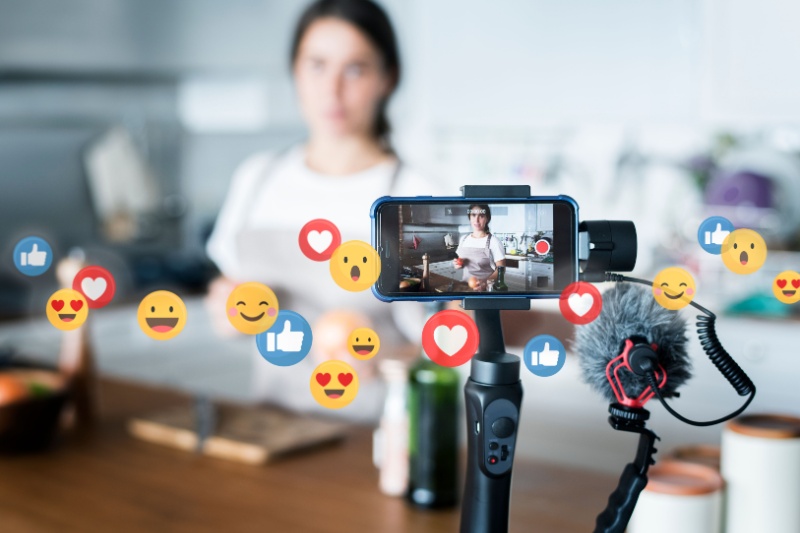
Today, other media outlets have begun to be used to distribute information to the public. Popular websites such as Facebook, Twitter, Instagram, and others are used to regularly distribute information to the public. Now instead of waiting to have news and reports of events sent to your home television or radio, they can be received on your phone or portable electronic device wherever you may be.
The media has played a key role in reporting to the public about the current events in the world. While the ways this information has been delivered has changed, the message remains true to its origins.