
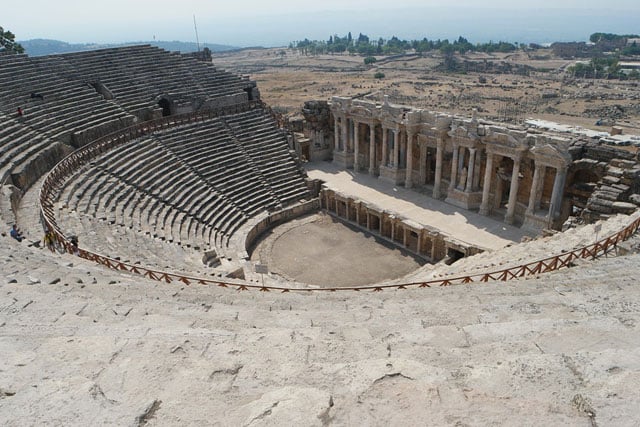
One of the most popular forms of entertainment for people throughout most of history has been to visit the theater. For centuries, people have enjoyed drama, comedy, music, and other forms of theatrical entertainment. In fact, the history of theater can be traced back to 6th Century B.C. when Ancient Greeks first orchestrated dramatic presentations for enthralled audiences. They might not have been seated on luxury home theater seats, but likely stone or wood benches; nonetheless, the spectacle of life performances enjoyed as a community would have been the highlight of one’s day. Today, though we may enjoy theater in the comfort of our home theater seating areas, many still enjoy going to see live productions.
Enjoying Theater Live or From Your Home Theater Couches
Understanding the history of theater provides valuable insights into the evolution of storytelling, performance techniques, and audience engagement, all of which have shaped the modern cinema that we enjoy today from our theater-style couches. Theater, which dates back to ancient civilizations, introduced fundamental narrative structures, character archetypes, and dramatic conventions that continue to influence film today. From the tragedies of ancient Greece to the realism of 19th-century drama, each era of theater has contributed to the way stories are told on screen. Additionally, early theatrical traditions emphasized the use of lighting, set design, and costuming–elements that filmmakers have adapted and expanded through technology. By studying theater history, one gains a deeper appreciation for the artistic and technical foundations that have led to the dynamic and visually rich storytelling found in contemporary cinema.
Moreover, the transition from stage to screen highlights the ways in which theater and film are interconnected. Many cinematic techniques, such as dialogue-driven storytelling, character development, and dramatic tension, have roots in theatrical traditions. Directors and screenwriters often draw inspiration from classic plays, adapting them for film or incorporating their themes and structures into new works. Understanding theatrical history also allows audiences to recognize and appreciate how modern filmmakers experiment with these traditions, whether by preserving classical elements or challenging them through innovative cinematic language. By exploring the evolution of theater, one can better grasp the depth and complexity of today’s films, fostering a richer and more informed viewing experience.
Additional Historical and Home Theater Resources
To help you learn more about the changes that have transpired in the theater and the evolution of the home theater entertainment that we enjoy today from the best home theater sectionals, we have put together a list of some of our favorite pages. We hope this information can help you learn more about the origin and history of the theater.
Theater Seating
- Home Theatre Sectional
- Palliser Movie Seating
- Couch With Heat & Massage
- Movie Couches
- Space Saver Home Theater Seating
- Real Leather Theater Seating
- Lumbar Recliners
- Single Theater Chair
- Palliser Flicks 41416
- Palliser Catalina Recliner
- Power Recliner With Adjustable Headrest And Lumbar
- Cloth Theater Recliner
