
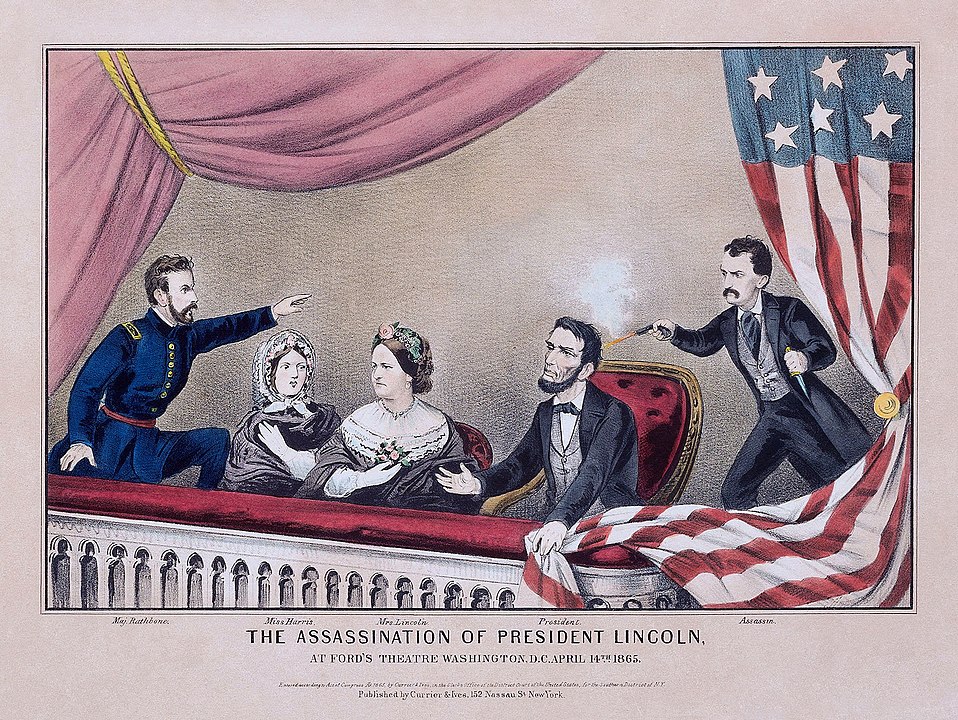
April 14, 1865, was a date that will go down in history as an event that changed the United States of America in a profound way. On that date, President Abraham Lincoln and his wife Mary attended a play called Our American Cousin at the Ford’s Theatre in Washington, D.C. and what should have been a nice evening attending a performance turned tragic. On that evening, a Confederate sympathizer and actor named John Wilkes Booth entered the President’s box and fired a shot that proved to be fatal to the 16th President of the U.S. Booth then leapt onto the stage from the theater seating area and escaped, sparking a massive and frantic manhunt.
Following the shooting, Lincoln was quickly rushed from his theater seat and attended to by physicians across the street to the Petersen House. Despite the doctor’s efforts, Lincoln’s injury was too severe, and he passed away in the early hours of April 15, 1865. This event marked the first assassination of a U.S. president and sent shockwaves through a nation already weary from the Civil War, forever altering the course of American history.
How Did the Assassination of President Lincoln Impact the American People?
The assassination plunged the nation into deep mourning. Public memorials, expressions of sorrow, and a heightened sense of vulnerability characterized this period, as many felt that not only had a president been lost, but also a symbol of hope and unity.
Political and Social Repercussions – The Lasting Effects of Tragedy in the Theater Seats and Across the Country
Lincoln’s vision and plans for national reconciliation and a thoughtful approach to Reconstruction were abruptly cut short, creating uncertainty about how to rebuild the fractured nation. This uncertainty fueled political divisions and debates over the future of the South and the integration of freed slaves into American society. In many ways, the assassination of Abraham Lincoln in his Ford’s Theatre wood and upholstered, not leather, theater seat marked a turning point, altering the course of policies that would shape the post-war era.
Enduring Legacy and National Identity
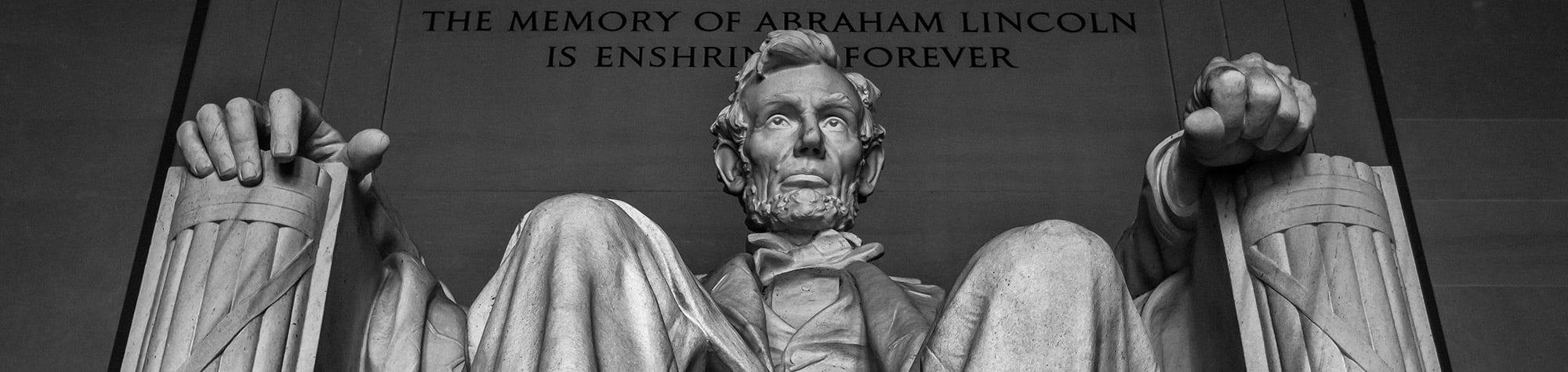
Lincoln’s assassination and martyrdom became a rallying point for American ideals, such as liberty, unity, and justice. His life and death inspired generations to strive for a more perfect union, reinforcing the notion that leadership is more than power, it’s about the moral direction of the nation. The memorialization of his life–through monuments, literature, and public discourse–cemented his place as a central figure in American history.
What was Next for the U.S.?
Lincoln’s vice president Andrew Johnson, a Southern Democrat, succeeded Lincoln as President upon his assassination. Johnson believed in a swift reconciliation with the South and implemented a lenient plan for reintegrating the former Confederate states. His policies granted widespread pardons to many ex-Confederates and allowed Southern states considerable autonomy in re-establishing their governments. This approach was intended to quickly restore the Union and ease the bitterness of the conflict.
Divergence from Lincoln’s Vision
While Lincoln had promoted a conciliatory vision aimed at healing the nation–often summarized by his call to “bind up the nation’s wounds”–many historians argue that Johnson’s methods fell short in crucial ways:
- Protection for Freed Slaves: Lincoln’s plans implied a commitment to safeguarding the rights of freed African Americans. Johnson, however, did little to protect these rights, which led to significant setbacks in civil rights during Reconstruction.
- Reintegration vs. Reform: Lincoln’s vision involved not just reunion, but a gradual transformation of Southern society, whereas Johnson’s leniency often allowed former Confederate power structures and systems of oppression to reestablish and reassert themselves following the Civil War, undermining efforts to achieve a more just and unified post-war America.
Impact on the Nation
The differences between Johnson’s policies and what many believed Lincoln would have pursued led to tensions within Congress. These tensions eventually contributed to the rise of Radical Reconstruction, a period marked by stricter oversight of the South and more vigorous efforts to secure civil rights for freed slaves.
To learn more about the Ford Theatre, Abraham Lincoln, John Wilkes Booth and the reconstruction period, we have gathered a number of useful sites. Please review this information to learn about these events that have changed the course of history.
