ADR (Automated Dialogue Replacement): When actors re-record their lines in a studio to improve the sound quality or change dialogue
Aspect Ratio: The proportional relationship between the width and height of the screen image. Common ratios include 4:3 (standard) and 16:9 (widescreen).
Backlight: A light placed behind the subject to separate them from the background and create depth or a glowing edge
Bird’s Eye View: A shot taken from directly overhead, making subjects appear small or distant
Blocking: The planned movement and positioning of actors in a scene
Call Sheet: A daily schedule distributed to cast and crew detailing the scenes to be shot, call times, and location information
Canted Angle (Dutch Angle): A tilted shot that slants the horizon line, creating a sense of imbalance or unease
Cheat Cut: An edit where continuity is preserved for the audience but camera placement or object positions may have changed slightly
Cinéma Vérité: A documentary style that captures real life with minimal interference, often using handheld cameras and available light
Cinematographer (Director of Photography): The person responsible for the visual look of a film
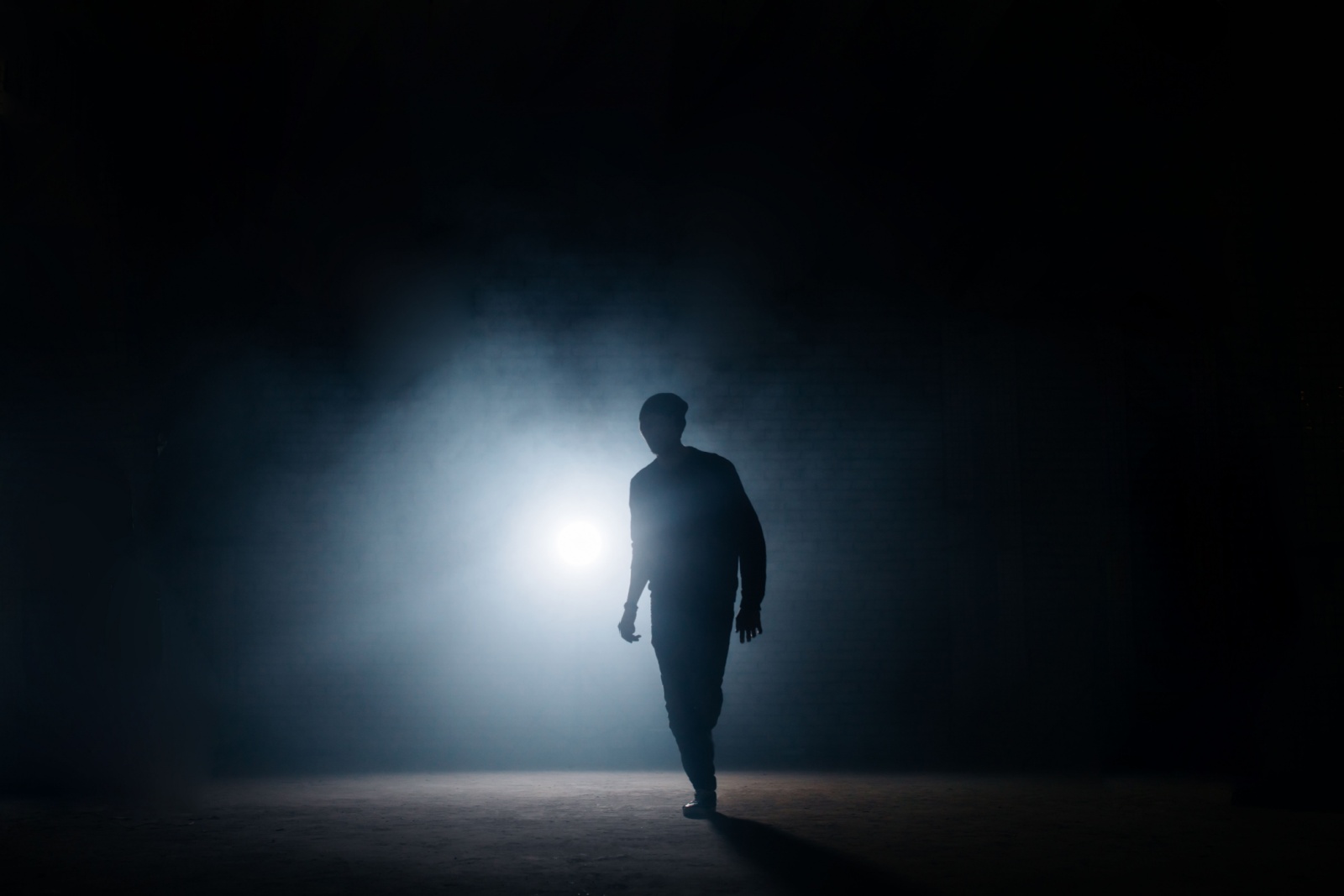
Close-Up: A shot that tightly frames a subject, often a face or object, to emphasize emotion or detail
Color Grading: The process of adjusting colors and tones in post-production to create a consistent or stylistic visual tone
Composition: The arrangement of visual elements within the frame, including subjects, lighting, and space, to achieve a specific effect
Continuity: Consistency of visual elements, props, and action from one shot to another so that it looks like the scene was filmed all at once, rather than as separate shots
Continuity Editing: An editing style designed to make cuts appear seamless so the viewer remains immersed in the story
Crane Shot: A shot captured by a camera on a crane, allowing sweeping movement from high to low angles or vice versa
Cross-Cutting (Parallel Editing): An editing technique that alternates between different scenes happening simultaneously in different locations
Deep Focus: A cinematographic technique where everything from the foreground to the background remains in sharp focus
Director: The creative leader of a film who guides the cast and crew to bring the story and tone to life visually and emotionally
Dissolve: A transition where one image fades out while another fades in, often signaling a change in time or place
Dolly Shot: A smooth camera movement achieved by placing the camera on a wheeled platform (dolly)
Editor: The person who selects and arranges shots to form a coherent story, pacing, and emotional rhythm
Establishing Shot: A wide shot at the beginning of a scene that shows the setting and spatial relationships
Extreme Close-Up: A highly magnified shot that shows a small detail, such as an eye or object
Extreme Long Shot: A shot taken from a great distance
Eye-Level Shot: A shot taken from the average height of a subject’s eyes, giving the audience the same point of view as the subject
Fade-In/Fade-Out: A gradual transition to or from black, as at the beginning or end of a scene
Fill Light: A secondary light used to soften or reduce shadows created by the key light
Fish-Eye Lens: An ultra-wide-angle lens that creates a distorted, rounded image for stylistic or exaggerated effect
Flashback: A scene that interrupts the present action to show events from the past
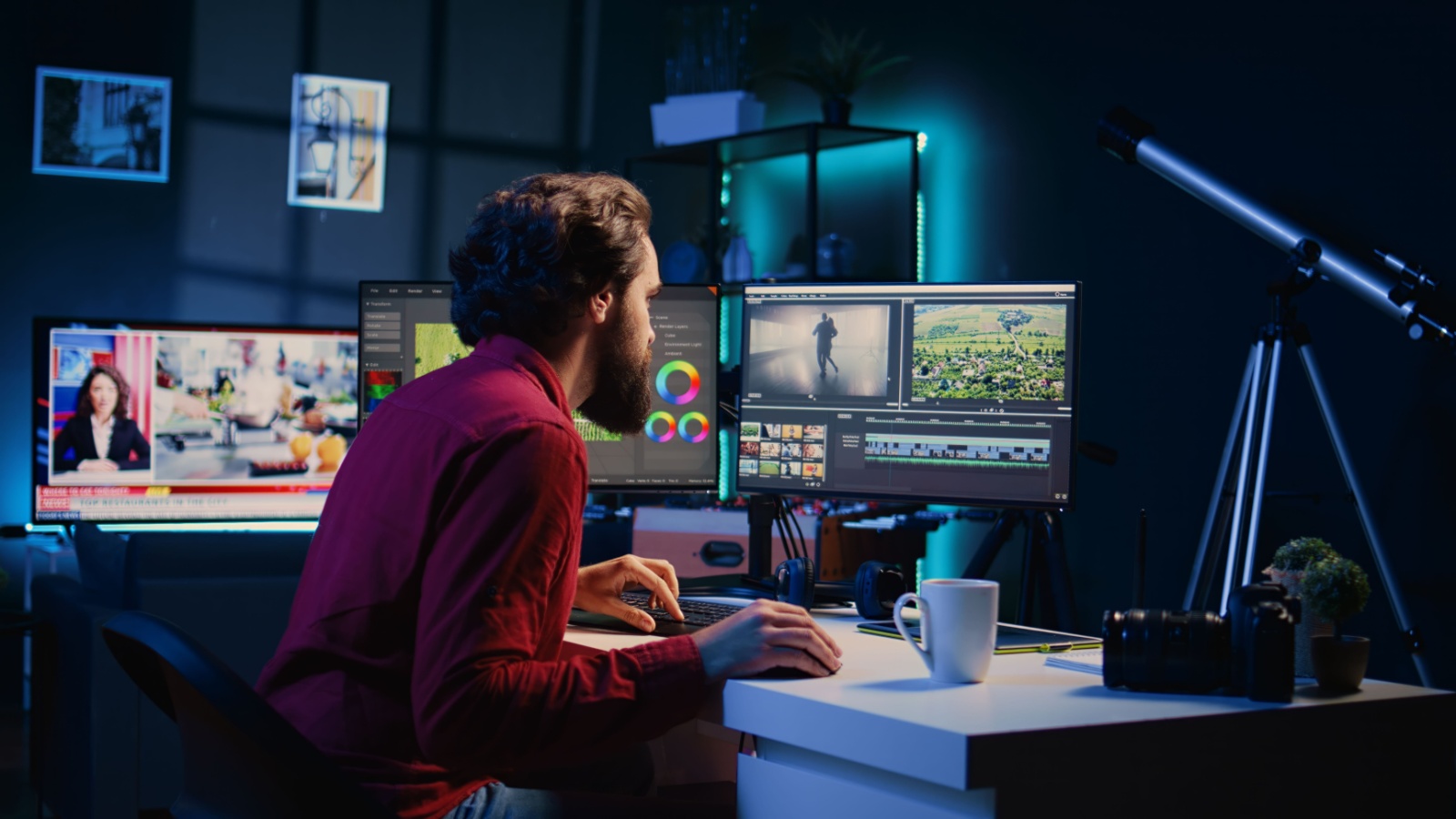
Flash-Editing (Flash-Cutting): A rapid series of very brief shots used to create urgency, intensity, or chaos
Foley: Sound effects created in a studio to match on-screen actions, such as footsteps or rustling clothing
Fourth Wall: The imaginary barrier between the characters and the audience. When a character addresses the audience directly, they “break the fourth wall.”
Frame: A single still image in a film. Standard film runs at 24 frames per second.
Full Shot: A shot that shows the subject’s entire body from head to toe
Handheld Camera: A shooting style where the camera is held by the operator rather than mounted, producing a shaky, raw look
High-Angle Shot: A shot taken from above the subject, making them appear smaller, weaker, or more vulnerable
High-Key Lighting: Bright, even lighting with minimal shadows, commonly used in comedies or upbeat scenes
In Medias Res: A narrative technique that starts the story in the middle of the action rather than at the beginning
Iris: An old-fashioned transition where a circle expands to reveal or close in on the frame, often used in silent films.

Jump Cut: An abrupt cut that disrupts the flow of time or continuity, often used for stylistic effect or to compress time
Key Light: The primary and strongest source of light in a scene
Long Shot: A shot that captures the subject from head to toe along with some of the surrounding environment.
Long Take: A single continuous shot with no cuts that lasts longer than typical shots, often used to build tension or show action in real time
Low-Angle Shot: A shot taken from below the subject’s eye level, making them appear larger, stronger, or more powerful
Low-Key Lighting: A lighting style with strong contrast and deep shadows, often used in thrillers or dramatic scenes
Master Shot: A wide shot that covers all of the action in a scene, used as a reference or fallback during editing
Match Cut: An edit that connects two visually or thematically similar shots to suggest a relationship between them
Medium Close-Up: A shot that frames the subject from the chest or shoulders up
Medium Long Shot: A shot that frames the subject from the knees up
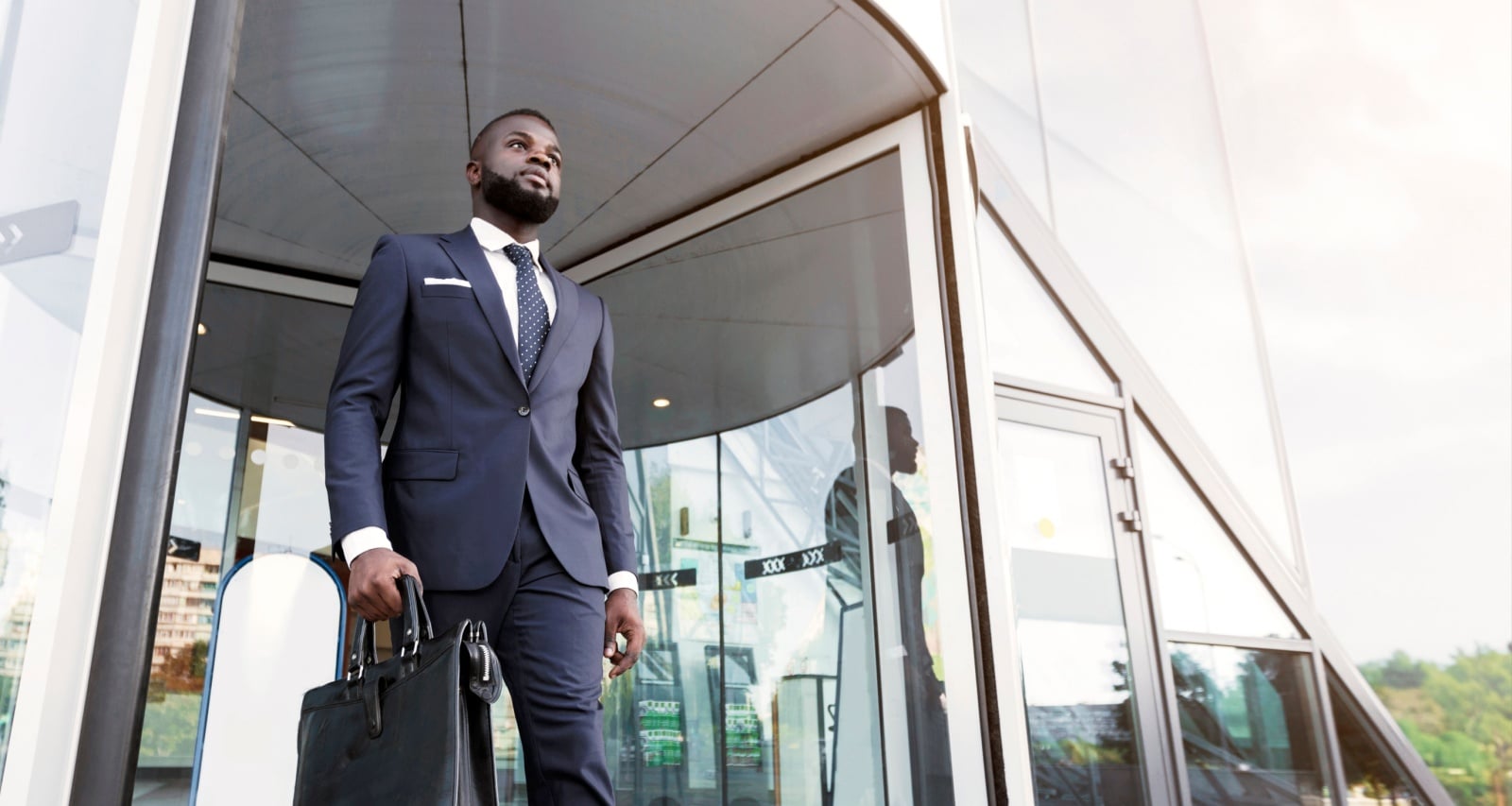
Medium Shot: A shot that frames the subject from the waist up
Mise-en-Scène: Everything visible in the frame, including sets, lighting, costumes, props, and actor placement
Montage: A series of short shots edited together to show time passing or to compress events
Non-Diegetic Sound: Sound that the audience hears but the characters do not, such as background music or a narrator’s voice
Oblique Angle: Another term for a Dutch or canted angle, where the camera is tilted to create tension or disorientation
Over-the-Shoulder Shot: A shot taken from behind one character’s shoulder, often used in dialogue scenes to show the other character
Pan: A horizontal pivot of the camera from a fixed position, moving left or right to follow action or reveal information
Point-of-View Shot (POV): A shot from a character’s visual perspective, making the audience feel as if they are seeing what the character sees
Producer: A person who manages the business and organizational aspects of making a film, including hiring, budgets, and scheduling
Pull-Back Dolly: A camera movement where the camera physically moves backward, revealing more context or reframing the subject
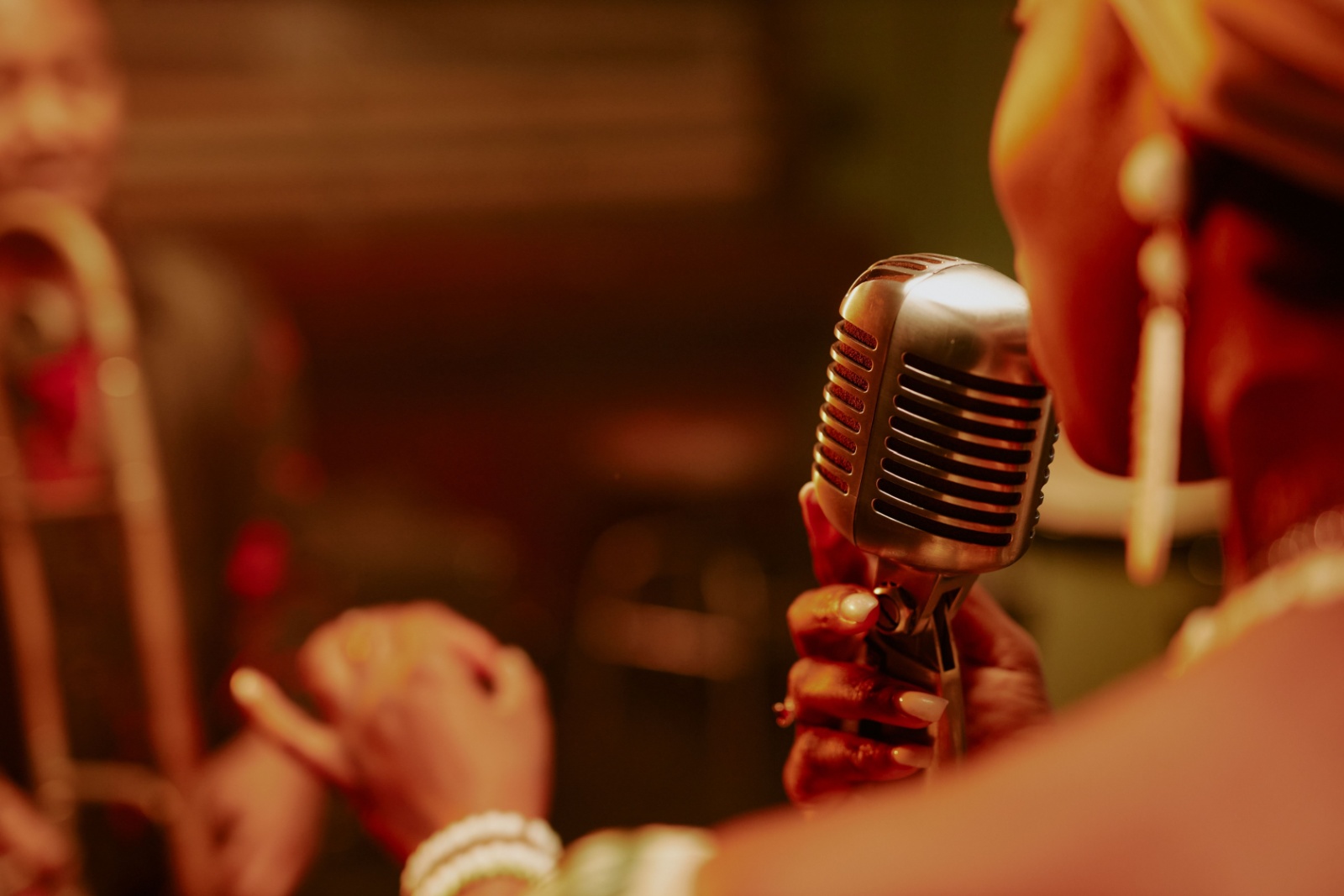
Rack Focus: A shift in focus during a shot that moves attention from one subject to another
Reaction Shot: A shot showing a character’s emotional response to something off-screen or another character’s action
Reverse Angle Shot: A shot from the opposite perspective of the previous shot, usually part of a shot/reverse shot sequence
Scene: A sequence of shots that takes place in one location and continuous time
Score: The original music composed specifically to accompany a film
Screenwriter: The writer responsible for the dialogue, structure, and description in a film’s script
Script: The written text of a film, including dialogue, character actions, and scene settings
Shot: A single uninterrupted view captured by the camera, ending when the camera stops or changes perspective.
Shot List: A detailed list of every shot planned for a scene or entire film
Shot/Reverse Shot: An editing technique where one character is shown looking at another, followed by a reverse view

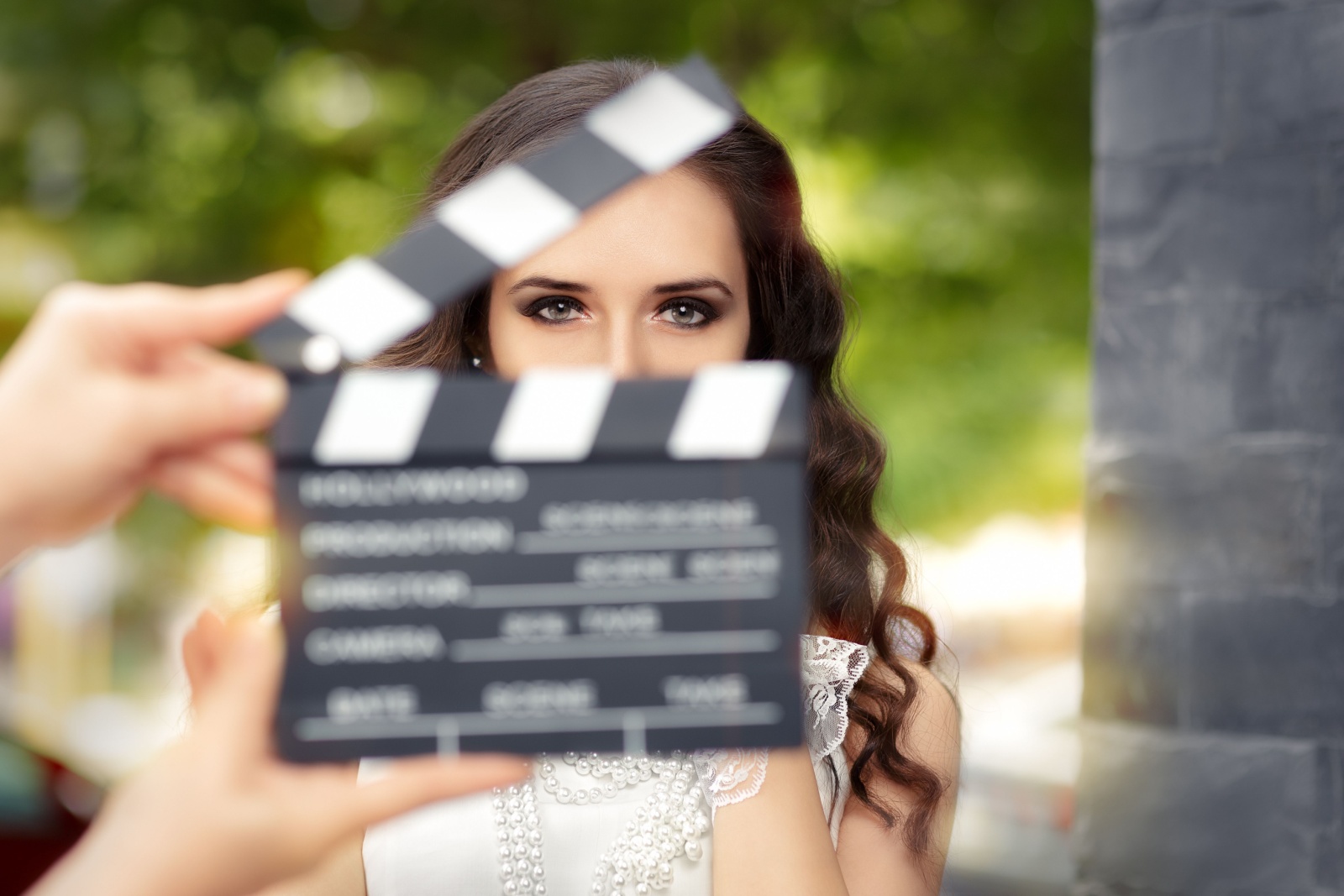
Slate (Clapperboard): A board marked with scene and take information, used to sync audio and video and organize footage
Soundtrack: All music used in a film, including both the original score and pre-existing songs
Storyboard: A visual plan for a film made of drawings or images that show each planned shot in sequence
Subtext: The underlying meaning or message behind the spoken dialogue or visible action
Take: One recording of a shot. Multiple takes are often done to capture the best performance.
Telephoto Lens: A lens with a long focal length that compresses depth and makes faraway subjects appear closer
Three-Shot: A shot that includes three characters in the frame
Tight Framing: A composition where the subject occupies most of the frame, creating intensity or claustrophobia
Tilt: A vertical pivot of the camera up or down from a fixed base
Tracking Shot: A shot where the camera moves along with the subject, usually on a track or stabilized rig

Two-Shot: A shot that includes two characters
Wide-Angle Lens: A lens with a short focal length that captures a broad view and can exaggerate perspective
Wide Shot (Long Shot): A shot showing the subject’s full body and much of the surroundings
Wipe: A transition effect where one shot replaces another by moving across the frame in a directional pattern
Zoom: A camera effect that changes the focal length of the lens to magnify or widen the view without moving the camera
Zoom Lens: A lens capable of shifting from wide to telephoto focal lengths, allowing zooming within a shot
Zoom Shot: A shot where the camera zooms in or out to change the framing during the take

Additional Resources
- The Filmmaking Process for Beginners
- Types of Film Shots You Must Know
- What Do Cinematographers Do?
- Loveseat Theater Seating
- 40 Essential Roles in Film Production
- What Foley Artists Do
- Home Theater Seats
- The Role of Film Editors
- Glossary of Film Terms
- Palliser Theater Chairs
- Essential Film Editing Techniques
- Common Camera Shots in Film
- Film Techniques: Lighting
- Home Theater Couches
- Film Scoring Concepts to Know
- Careers to Pursue With a Film Degree