



Planning the party
That equates to just over 6 million children which means there are a lot of parents faced with the dilemma of deciding what to do about their child’s upcoming birthday.

Setting party numbers
& organizing invites
Deciding how many children to invite and who gets chosen, is one of the most stress-inducing parts of organizing any children’s party.
For the parent of a child with ADD/ADHD, getting this part of the planning right is particularly important because it will set the atmosphere for the whole event. Every child is different and you will probably have a good idea of whether your son or daughter is the life and soul of the playground or tends to find social interaction stressful.

52%
Children with ADHD are mainly rejected by their peers.

1%
Children were classed as ‘popular’.
If you are not sure how popular your child is at school, it is best to err on the side of caution. Stats from the National Center for Biotechnology Information reveal that, sadly, 52% of children with ADHD are mainly rejected by their peers. Only a very small proportion (1%) were classed as ‘popular’.
Whether or not you believe these figures, it is sensible to keep numbers to a minimum just in case. It is also important to be selective about who you invite.
A small party with two or three close school friends who understand your child is likely to be far more enjoyable for him or her than inviting the whole class. This could overwhelm and upset your child, especially if they find themselves ignored or mocked.
Parents should be aware that a birthday party will naturally make them the center of attention. Unless they already play that role at school, a child with ADD/ADHD may feel uncomfortable and stressed out. This, as you will already know, is likely to lead to bad behavior and a difficult experience for all concerned.

Parents should also be sensitive about how invites are sent out. Will you ask your child to deliver them at school? Unless your child is in that popular group, they might find that a lot of peers (or their parents) refuse the invitation. How will they handle that rejection? It may be better for you to approach parents directly and find out which children are willing and able to come.

Start time and duration
According to the Centers for Disease Control and Prevention (CDC), two thirds of children diagnosed with ADHD are taking medication.
If your child is one of them, is it possible to organize their party so that it comes to an end just before their medication is wearing off?
23
children diagnosed with ADHD are taking medication.

Either way, it is almost always a good idea to keep the duration of a party to a minimum. Hyperactivity, sensual stimulation and the stress of intense social contact can quickly wear a child with ADD/ADHD out. Two hours is a good maximum duration for a party, especially if your child’s behavior tends to deteriorate as they get tired.

Deciding on a venue
Where are you going to hold your child’s party? The first decision to make is whether you will entertain the children from your home or meet everyone at a suitable party venue.

Party at Home
- A home party will ensure the environment is familiar and this could help them to control their anxiety levels and relax and enjoy the experience a little more.
- They might feel uncomfortable with other children ‘invading’ their space and handling their toys or possessions, particularly if there are a lot of guests.
If you do decide to hold the party at home, be sensitive to anything in your home that might mark your child out as different and be a source of embarrassment to them
For example, some children with ADD/ADHD enjoy playing with toys that are younger than their actual age. Others may have reminders around the house to prompt them to wash their hands after using the toilet. Consider removing or covering up these notices to avoid your child having to answer awkward questions.
Party at External Venue
- An external venue can help take away the attention from your child.
- But can mean that the party goes on for longer which may lead to tiredness and misbehavior. Certain venues, such as laser tag and amusement arcades can be over-stimulating, adding to the stress of the occasion.
Every child is different and you will know better than anyone what your child’s limits are.


Activity planning
1
Choose activities that your child both likes and is reasonably good at.
First, try to choose activities that your child both likes and is reasonably good at. If they love basketball but have poor hand-eye coordination, setting up a game could lead to frustration.
2
If large number of guest are there, then plan both outdoor & indoor activities
If you are inviting a large number of guests, one solution is to set up a few outdoor activities for the main party and then arrange for a few indoor activities for close friends and family.

The pros and cons of hiring
outside entertainers


Are you considering bringing in a magician or children’s entertainer?
This is a smart way of introducing novelty and stimulation while ensuring your child benefits from the safety and security of being at home.
It is a good idea to attend a performance ahead of time or at least to explain to the entertainer what issues your son or daughter faces.
Some entertainers put on a very dramatic show which might frighten your child if they are easily overstimulated.
Others use a lot of audience interaction and will almost certainly call your child to the front if you don’t instruct them otherwise. If your child doesn’t like being the center of attention, this could cause unnecessary stress and upset.

Food and drink
A 2019 study by the Journal of Nutrition concluded that a diet high in sugar does not lead to the development of ADHD. However, an excess of candy or sugary treats at a party is likely to make all children hyperactive. This in turn can increase the stimulation levels for your child.
While making or buying a birthday cake is absolutely fine, keeping sugar to a minimum will help take the edge off the excitement enough to avoid chaos or a post-party crash.
As with any children’s party, be sure to ask parents if their children have any special dietary needs.



Putting it down on paper
Finally, create a paper party schedule with a list of activities and timings. This will help your child to prepare for their big day and manage their emotions and behaviors when the day finally arrives.

Games &
activities:Outdoor
entertainment
If you are organizing a large birthday party at home, it will be far easier to set up outdoor activities than try to keep everyone happy and stimulated indoors. This is particularly the case if your child is hyperactive.
Here are some useful tips for entertaining the hordes outdoors.

The benefits of bouncing
The best thing about bouncing is that almost every pre-teen child loves to do it. Bouncing is a great way to expend excess energy without causing damage or needing a lot of space.
If your son or daughter with ADHD tends to bounce around a lot when excited (mainly on the furniture) this can make friends feel uncomfortable. By hiring a trampoline or a bounce house, you can get rid of the awkwardness and help your child to feel the same as everyone else.

Simple outdoor games
There are many outdoor games that children with ADD/ADHD can take part in with their peers. As explained in the previous section, the key is to choosing activities that your child enjoys and is reasonably competent at.

Simple Ball Games
Simple ball games such as catch, kick the can, kickball and keep away require minimal skill so consider organizing a few sessions of these, switching them when the party boy or girl starts getting bored or disruptive. Dodge ball and ball tag are also popular with children but can get out of hand if children throw the ball too hard.
- catch
- kick the can
- kickball
- Twister
- Dodge ball
- ball tag
If your son or daughter doesn’t get on well with a ball
If your son or daughter doesn’t get on well with a ball, consider games such as tag, hide and seek and blind man’s buff. A treasure hunt is another popular choice with children but you will have to decide whether your child is likely to get fed up before the treasure has been found.
- tag
- blind man’s buff
- hide and seek
- treasure hunt


What sports are best for
children with ADD/ADHD?
For older children, simple games may not be stimulating enough and they may prefer to take part in sports. This can create a dilemma because children with ADD/ADHD can struggle with the demands of some sports.
If you do decide to set up some sports activities for the partygoers, be very careful with your selection.
Make sure that the rules are clear and simple and be ready to switch to another sport if your son and daughter starts to get upset or disruptive.

You will probably want to avoid strategic team games.
These games are football, basketball, hockey and soccer because the combination of motor coordination, focus and spatial awareness is often beyond children with ADD/ADHD.
- football
- hockey
- basketball
- soccer
Slow-moving games such as baseball and cricket are usually out too.
since many children with ADD/ADHD get bored if they are standing around too much.
- baseball
- cricket

One option is to simplify these games, replacing them with drills (e.g. shooting hoops, kicking goals, pitching balls, etc.)
If your child is comfortable with their motor skills, individual sports may be an option. This can include competitive sports such as track events or non-competitive activities such as horse riding.
Non-competitive sports and activities might be best if your child tends to get frustrated when they don’t win.
Sports that children with ADD/ADHD seem to take to more than others include gymnastics, martial arts, swimming, tennis and wrestling.


The power of planning
The advantage of planning your party activities well in advance is you can go through the running order with your child multiple times until they are comfortable with what is going to happen on the day itself.
When it comes to games and sports, you can spend time going through the rules and setting up some practise sessions. You can also go through some scenarios to make sure they know what behavior is expected whether they win, lose or draw.
Games &
activities:Indoor
entertainment
Indoor activities are best for smaller gatherings unless you are blessed with a lot of space within your home.
Although we would all prefer to have a mansion in which to entertain party guests, with a bit of organization, even the smallest home can provide a fun environment without descending into chaos.

The key to success:
time-limited activities
Whatever activities you have planned for indoors, keeping them short and sweet is the key to maintaining attention levels and keeping control of behavior. Of course, you will know more than anyone just how long your child is likely to remain focused on an activity and you should base your plans on this.

Simple indoor
games and activities

Favorite Indoor games and activities
There are many indoor party activities that can work for children with ADD/ADHD. Giant board games can be great fun. Favorites include checkers, Connect 4, Jenga and Twister.
- Checkers
- Connect 4
- Jenga
- Twister
For something a little more vigorous
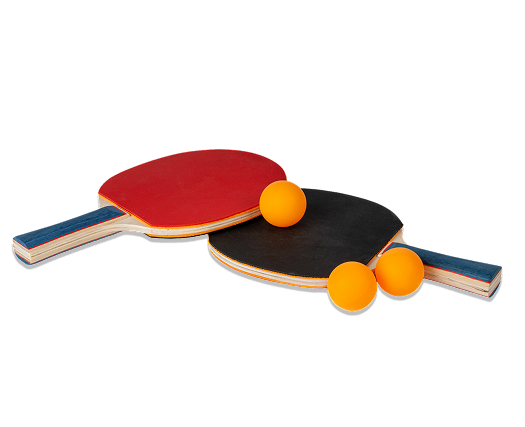
You could set up some indoor bowling, balloon volleyball or even an indoor snowball fight (kits are available online for this). Of course, if you happen to have a ping pong or air hockey table, these will be popular draws for party guests.
- indoor bowling
- balloon volleyball
- indoor snowball fight
- ping pong
- air hockey table
If your son or daughter likes to dress up, collecting together some fancy dress outfits and unusual items of clothing can make for some hilarious selfie moments. Charades is another popular way to indulge in exhibitionism if your child likes to put on a show.

The magic of music and dance
What is a party without music and dancing?
From karaoke and dance competitions to freeze dance and musical chairs, you can choose an activity to suit your child’s personality and preferences.
As a parent of a child with ADD/ADHD, you will know what level of stimulation they can cope with and therefore how long this activity should last.
Selecting an appropriate sound track might take more thought than other parents due to the risk of overstimulation. Depending on how your child’s ADD manifests, you might want to limit the number of loud, high tempo tracks on the playlist and end with something relaxing.

Top movies for kids
with ADD/ADHD
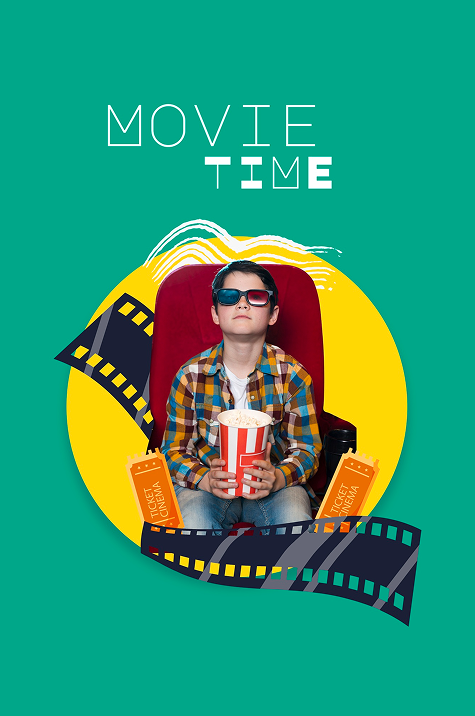
There is a myth that children with ADD/ADHD are unable to sit down and focus on a movie.
In fact, many parents report that watching TV is one of the few things that can absorb their child’s attention.
If your son or daughter isn’t very social but loves a home movie, congratulations! You’ve just found an easy way to provide an enjoyable party while keeping everything under control. It is probably best to aim for shorter movies to avoid the party dragging on too long but otherwise, any age-appropriate video will be fine.
Movies about overcoming adversity (or impulse) can also boost your child’s esteem through identification with the characters. Examples include Willy Wonka and the Chocolate Factory, Finding Dory, A Series of Unfortunate Events and Percy Jackson & The Olympians.

Parenting tips when party-planning

Know your child's
strengths and challenges
As stated in an earlier section, the Golden Rule when it comes to party planning for a child with ADD/ADHD is to know your child’s strengths and to play to them.
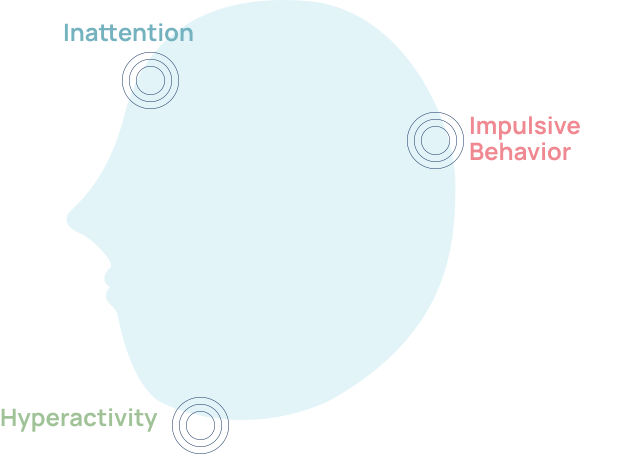
While impulsive behavior, hyperactivity and inattention are classic symptoms for this type of disorder, not every child will express these traits to the same degree. For example, your child may have a relatively good attention span or might be able to hold themselves back when in public.
While most children with ADD/ADHD shun the spotlight, your child may be one of the few that thrive on attention. If your instincts tell you that your son or daughter will enjoy a game of football with their classmates, let that override any other suggestions in this guide.

Involve your child
Children with ADD/ADHD can be very dependent on routine and get very anxious if there is too much change.
Involving your child at every step of the party planning process is a great way to help them to feel in control and dial down those stress levels. You could even have them write out the schedule.
While the parents should have the final decision as to number of friends, timings, activities and food menu it is a good idea to keep an open mind to your child’s suggestions. That will make it easier to come up with a compromise that suits everyone.

Tips for hyperactive children
Not every child with ADD is hyperactive, If your son or daughter does struggle to keep still, make sure that you give them plenty of avenues for expending excess energy.
If you are including a mixture of outdoor and indoor activities,
If you are including a mixture of outdoor and indoor activities, try to start with the outdoor games and sports. This will help ensure your child is sufficiently exercised before they are expected to sit down and watch a movie or to eat their party food.



If they are still unable to relax
If they are still unable to relax, supplying them with a stress ball, squishy toy or fidget device might help them use up that residual energy without causing disruption.

Anticipate scenarios
As the host of the party, your son or daughter will have a level of responsibility they might not normally experience. Will they thank their friends for their gifts? Will they say ‘well done’ when someone else wins the treasure hunt? Will they bid their pals farewell at the end of the day or turn into a moody, post-party monster?
Use the planning period to pre-empt these scenarios and rehearse what they are expected to do and say. They might just make you proud.
Will they bid their pals farewell at the end of the day or turn into a moody, post-party monster?

Repeat, repeat, repeat
When it comes to going through party preparations with your child, you can’t really overdo it.
The more they commit the schedule to memory, the more in control they will feel on the big day. That’s why it’s a great idea to write down the full schedule, including all timings, and display it prominently on the refrigerator or home noticeboard.

Help your child be
the perfect host
Once your son or daughter has a clear idea in their mind of the running order for their birthday, you can use that to prompt your child throughout the day.
By giving them the responsibility to organize their friends, you can help improve their social skills and boost their self-esteem.
For example, after everyone has arrived and gifts have been collected, you could tell your child, ‘It’s now kickball time. Do you want to tell your friends?’
You could also remind them about expected behavior: ‘Look, Anne’s found the treasure chest. Can you remember what you have to say to Anne?’

Tips for attending other
children's parties
Do you get that sinking feeling when your child is invited to a classmate’s laser tag or basketball party?
You just know he is going to be overwhelmed by the lights and noise or she is going to storm off in a huff when her fellow basketballers shout at her for being in the wrong place or hogging the ball.
Rather than break your child’s heart with a blanket refusal, consider how you might be able to make it possible for them to attend. Talk to the parents to discuss options.
For example, are they going back to the house after laser tag to sing ‘happy birthday’ and eat cake. Perhaps you could drop your son off for that part. Maybe you could attend the basketball party with your daughter and step in with a treat when things start getting tense.


Relax and have fun
Finally, remember that parties are, above all, meant to be a time for fun and celebration
The more relaxed you are about the occasion, the more likely it is that your child will cope with the situation and enjoy a day that will live in the memory for all the right reasons.

Additional ADD/ADHD
resources
For further information to help you planning an amazing party for your son or daughter with ADD/ADHD, here are details of some specialist organizations, popular books and useful website:
Family and child-focused
ADD/ADHD organizations
Since 1998, ADDitude has provided advice and support for both adults with ADHD and the parents of children with ADHD. Provides information about diagnosis, treatment, education plans (e.g. 504 accommodations) and more.
Formed from one parent group in Florida, in 1987, CHADD has grown to become one of the leading ADHD organizations in the country.
Formed by CHADD, NRC is the national clearinghouse for evidence-based information on ADHD.
Popular books about ADD/ADHD
What Your ADHD Child Wishes You Knew: Working Together to Empower Kids for Success in School and Life Saline, S.
A veteran psychologist provides a proven roadmap to help children with ADHD enjoy success in school and life. An award-winning book.
Raising Will: Surviving the Brilliance and Blues of ADHD Quie, K.
Charting the trials and tribulations of a child psychologist and mother of a child with ADHD.
Treating ADHD/ADD in Children and Adolescents Carroccia, G
An American Book Fest 2019 Best Book Awards Finalist, this book is a teaching guide for teachers, parents and clinicians, helping them to understand and transform ADHD challenges.
Adderall Blues Robinson, B.
A rare first person account of what it is like to live with ADHD
Thriving with ADHD Workbook for Kids: 60 Fun Activities to Help Children Self-Regulate, Focus and Succeed Miller, K.
A practical toolkit for children with ADHD helping them to live healthier and happier lives.
Driven to Distraction: Recognizing and Coping with Attention Deficit Disorder Hallowell, E.M. and Ratey, J.
Revised edition of a national bestseller featuring case histories and stories of people living with ADHD together with tips and helpful coping tools.
Understanding Girls with ADHD Nadeau, K., Littman, E. and Quinn, P.
ADHD in girls and women, first published in 1999 and expanded and updated.
ADD/ADHD online resources
AACAP: ADHD Resource Center
https://www.aacap.org/AACAP/Families_and_Youth/Resource_Centers/ADHD_Resource_Center/Home.aspx
Facts, FAQs and videos about ADHD from the American Academy of Child & Adolescent Psychiatry
APA: ADHD
https://www.apa.org/topics/adhd/index
News and issues related to ADHD from the American Psychological Association
CDC: Symptoms and diagnosis of ADHD
The Center for Disease Control and Prevention (CDC) guide to the symptoms and diagnosis of ADHD.
CHADD: Preschoolers and ADHD
https://chadd.org/for-parents/preschoolers-and-adhd/
A resource for the parents of preschoolers with ADHD from Children and Adults with Attention-Deficit/Hyperactivity Disorder, one of the country’s leading ADHD organizations.
Psychiatry.org: ADHD
A hub of information on ADHD which includes events, blog posts, social media sites and additional resources. Published by the American Psychiatric Association.
Wikipedia: Attention deficit hyperactivity disorder
https://en.wikipedia.org/wiki/Attention_deficit_hyperactivity_disorder
Online encyclopedia entry for ADHD
